
Filing a Roof Insurance Claim for Hail Damage in Alberta
A step-by-step guide to filing a hail roof insurance claim in Alberta: deductibles, ACV vs RCV, the 12-month and depreciation deadlines, and mistakes to avoid.
Raindeer Roofing
Calgary roofing & exteriors
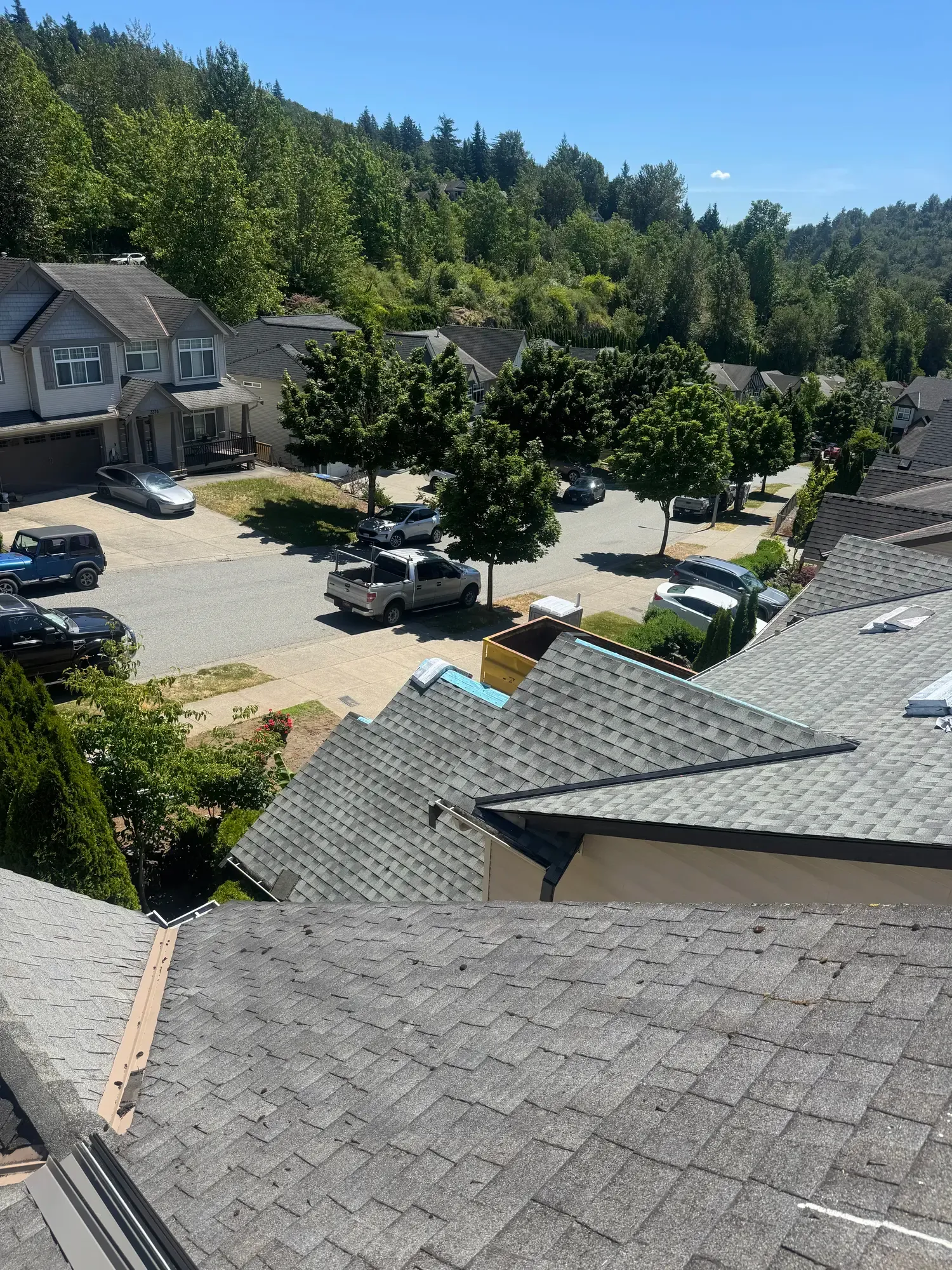
If a hailstorm damaged your roof, there is a real chance your insurance pays to replace it and you cover only your deductible. In a city that gets hammered as often as Calgary does, knowing how the claim process works is worth thousands of dollars. Get a couple of details wrong, though, and you can leave a big chunk of that money on the table.
This is the plain-language version of how a hail roof claim works in Alberta, the deadlines that quietly cost people money, and how to keep the whole thing straightforward.
A quick note before we start: we are roofers, not your insurance broker. Always read your own policy and talk to your provider about your specific coverage. What follows is the general lay of the land in Alberta as of 2026.
First, is hail damage even covered?
Usually, yes. Standard Alberta home policies cover sudden, accidental damage from events like hail and wind. What they do not cover is age and normal wear. If your twenty-year-old roof finally gives up, that is a maintenance issue, not a claim. If a storm bruised and fractured a roof that had years left in it, that is what your premiums are for.
The catch is proving it was the storm. That is why documentation and timing matter so much, and why a proper inspection early beats a fight with an adjuster later.
The deadlines that cost people money
Two clocks start ticking the moment the hail hits, and missing either one is expensive.
- The 12-month notice window. Under the Alberta Insurance Act, you generally have to notify your insurer of the loss within 12 months. Wait longer and the claim can be gone entirely. In practice, sooner is far better, because fresh damage is easy to attribute to a specific storm and old damage is easy to dispute.
- The 365-day repair window (for RCV policies). This is the one that surprises people. On a replacement-cost policy, you typically have to complete the repairs within a year of the loss to collect the full amount. Miss it and you forfeit the depreciation holdback, which on a Calgary re-roof is commonly $6,000 to $9,000.
Most policies also ask for a formal proof of loss within 60 to 90 days of filing. Your roofer's itemized estimate makes that document much easier to put together.
ACV vs. RCV: the difference that decides your payout
This is the single most important thing to understand about your policy, so it is worth two minutes.
Replacement Cost Value (RCV) pays the full cost to put on a new roof, regardless of how old the old one was. You pay your deductible, the insurer covers the rest. It usually arrives as two cheques: an initial Actual Cash Value payment up front, then the withheld depreciation (the "holdback") released once the work is finished and invoiced. Most Alberta policies on roofs under 15 years old are RCV.
Actual Cash Value (ACV) pays what your roof is worth today, after depreciation for age. A twenty-year-old roof on an ACV policy might only recover 30 to 40 percent of the replacement cost, leaving you to fund the rest. Older roofs often get moved onto ACV, which is one more reason not to let a good roof age past the point where it is still fully covered.
If you are not sure which one you have, call your broker and ask directly: "Is my roof insured for replacement cost or actual cash value?" The answer changes everything about your out-of-pocket cost.
Understand your deductible before you file
Filing a claim only makes sense if the repair meaningfully exceeds your deductible. In Alberta, that number has been climbing.
- Traditional flat deductibles run roughly $1,000 to $2,500.
- Separate hail or wind deductibles are increasingly common on newer policies, often set at 2 to 5 percent of your home's insured value. On a $750,000 home, that can mean a $15,000 to $37,500 deductible, which changes the math entirely.
One piece of good news: the deductible applies once per occurrence. A single storm that damages your roof, siding, deck, and skylights is one claim with one deductible, not a separate deductible for each item. If the hail hit more than your roof, get all of it inspected and included.
The step-by-step process
Here is the order that keeps a hail claim clean:
- Note the storm date and document the damage. Photograph the collateral you can safely see: dented gutters, vents, the AC unit, deck boards. Not sure what to look for? Start with our guide on spotting roof hail damage.
- Get a professional roof inspection. A roofer can identify bruising, granule loss, and hidden damage a phone photo misses, and can tell you whether the damage is even worth a claim. We do this for free and give you photos you can hand to your adjuster.
- Call your insurer to open the claim. Give them the storm date and what you have found. They will assign an adjuster who inspects the roof themselves.
- Get at least one detailed, itemized estimate. An itemized quote, priced line by line, is easy for an adjuster to compare and check. This is the whole reason we quote the way we do.
- Review the scope and settlement. Make sure the adjuster's scope covers everything: full tear-off, membrane, flashings, ventilation, disposal. Missing line items are where homeowners quietly lose money.
- Complete the work within the deadline and submit the final invoice to release the depreciation holdback on an RCV policy.
Mistakes that quietly cost you
A few things go wrong again and again in Calgary after a big storm:
- Signing over your claim to a door-knocker. Storm chasers often ask you to sign an "assignment of benefits" so they control the claim and the money. Do not. Deal with your own roofer and your own insurer. Our guide on how to hire a roofer and avoid storm chasers covers the red flags.
- Letting the deadline slip. That depreciation holdback is real money, and the 365-day window is stricter than people expect.
- Accepting a scope that is too thin. If the estimate skips ventilation upgrades or new flashings, the roof gets rebuilt wrong to hit a number.
- Waiting months to document. Damage recorded long after the storm is the easiest thing for an insurer to deny.
Where we fit in
We are not here to game your insurance company. We inspect the roof honestly, tell you whether you actually have a claim, document everything with photos, and give you an itemized estimate that stands up to an adjuster's review. If it is a claim, we help you get it covered properly. If it is just wear, we say so, because a denied claim helps nobody.
If a storm just moved through, the smartest first step is a free inspection while the evidence is fresh. From there, whether it is a claim or an out-of-pocket roof replacement, you will know exactly where you stand.
Free On-Site Estimate
Want a straight answer on your own roof?
We inspect the roof, attic, and full exterior, then send an itemized quote priced line by line. No pressure, no scare tactics.
Keep reading
All articles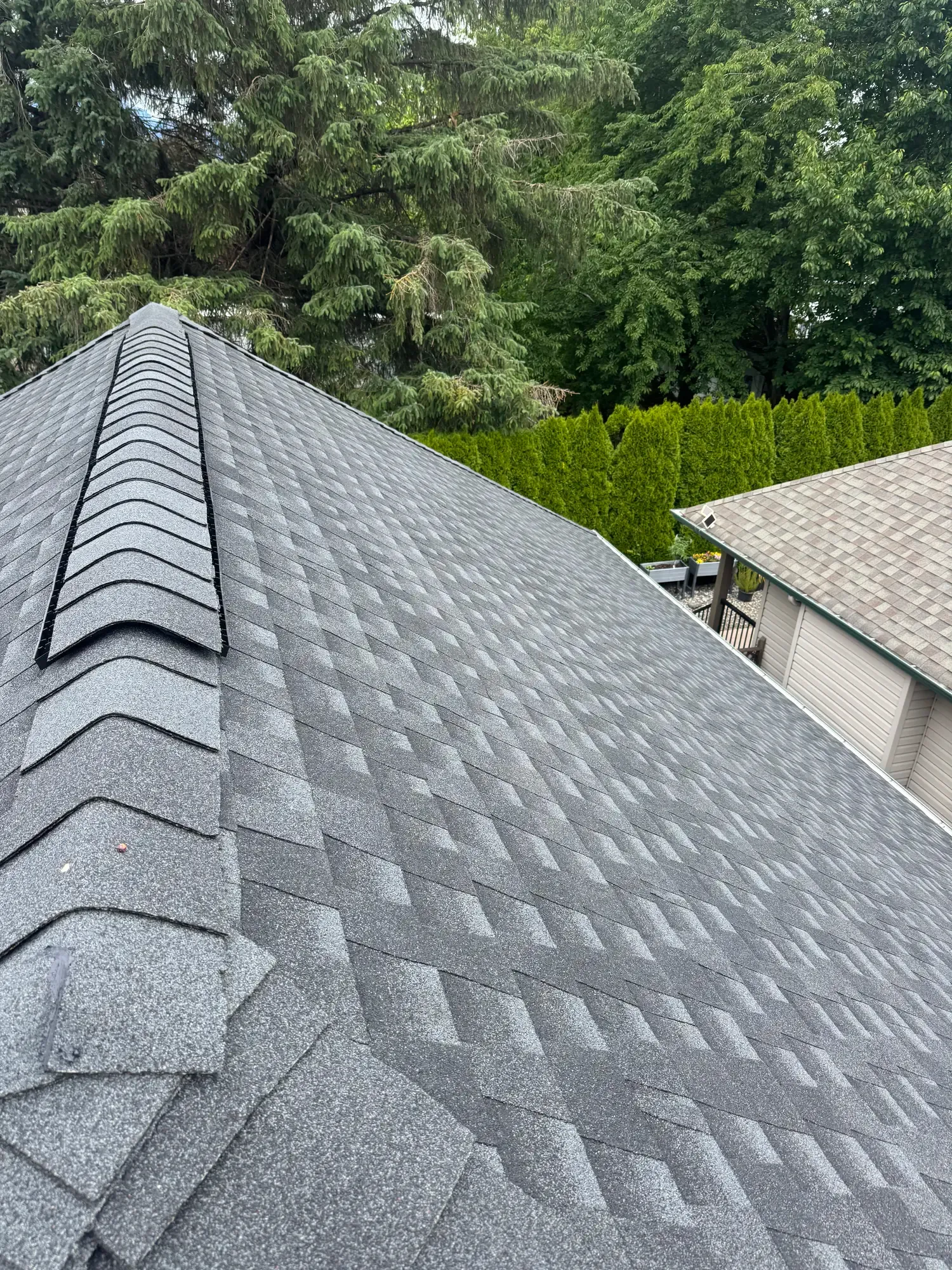
The Best Asphalt Shingles for Calgary's Hail (2026 Guide)
The best asphalt shingles for Calgary hail: the Class 4 impact rating and rubberized-asphalt features that matter, and the brands worth knowing.
Read the guide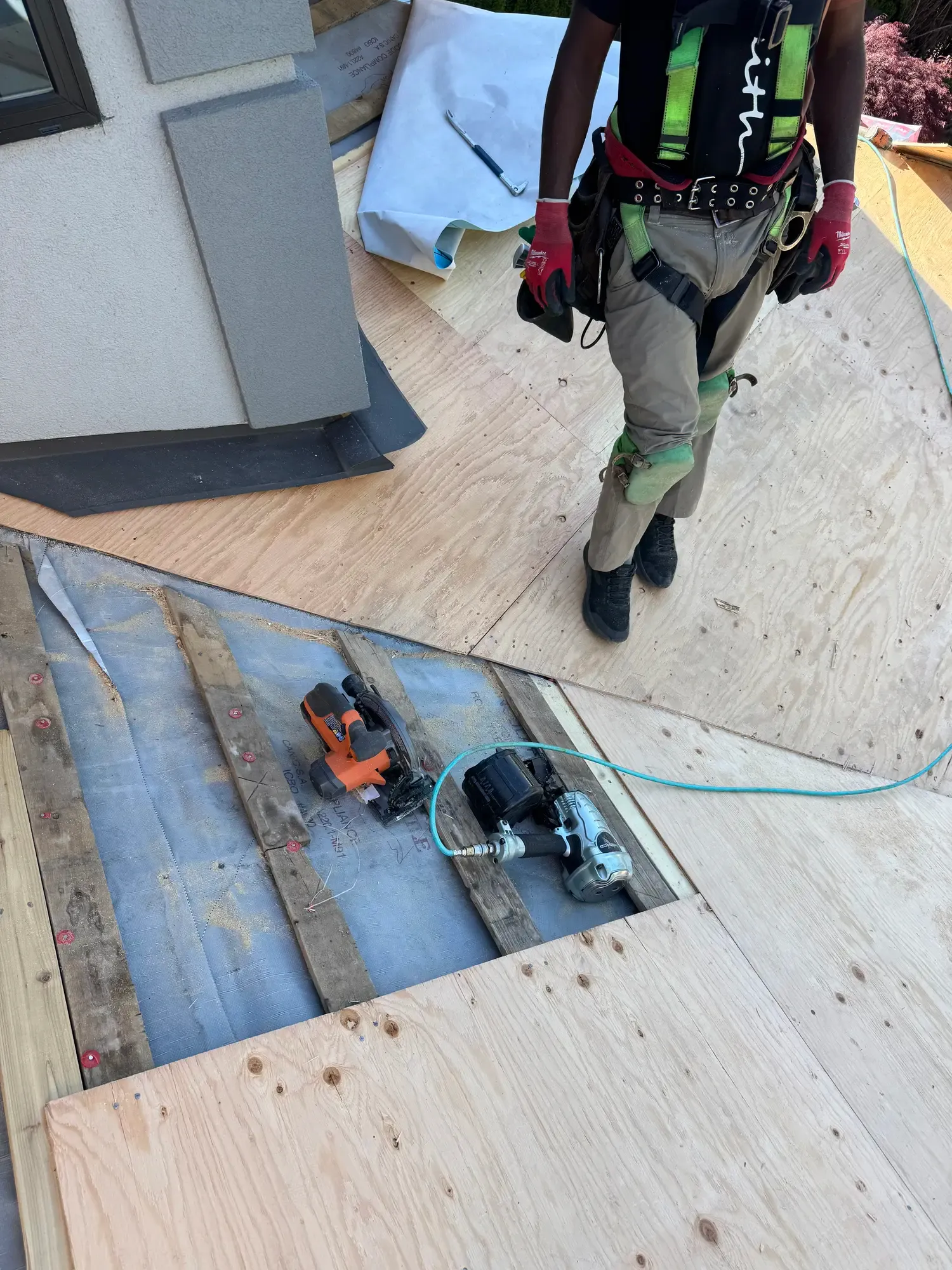
The Best Time of Year to Replace Your Roof in Calgary
When is the best time to replace a roof in Calgary? How each season affects price, scheduling, and quality, plus whether winter roofing is actually safe.
Read the guide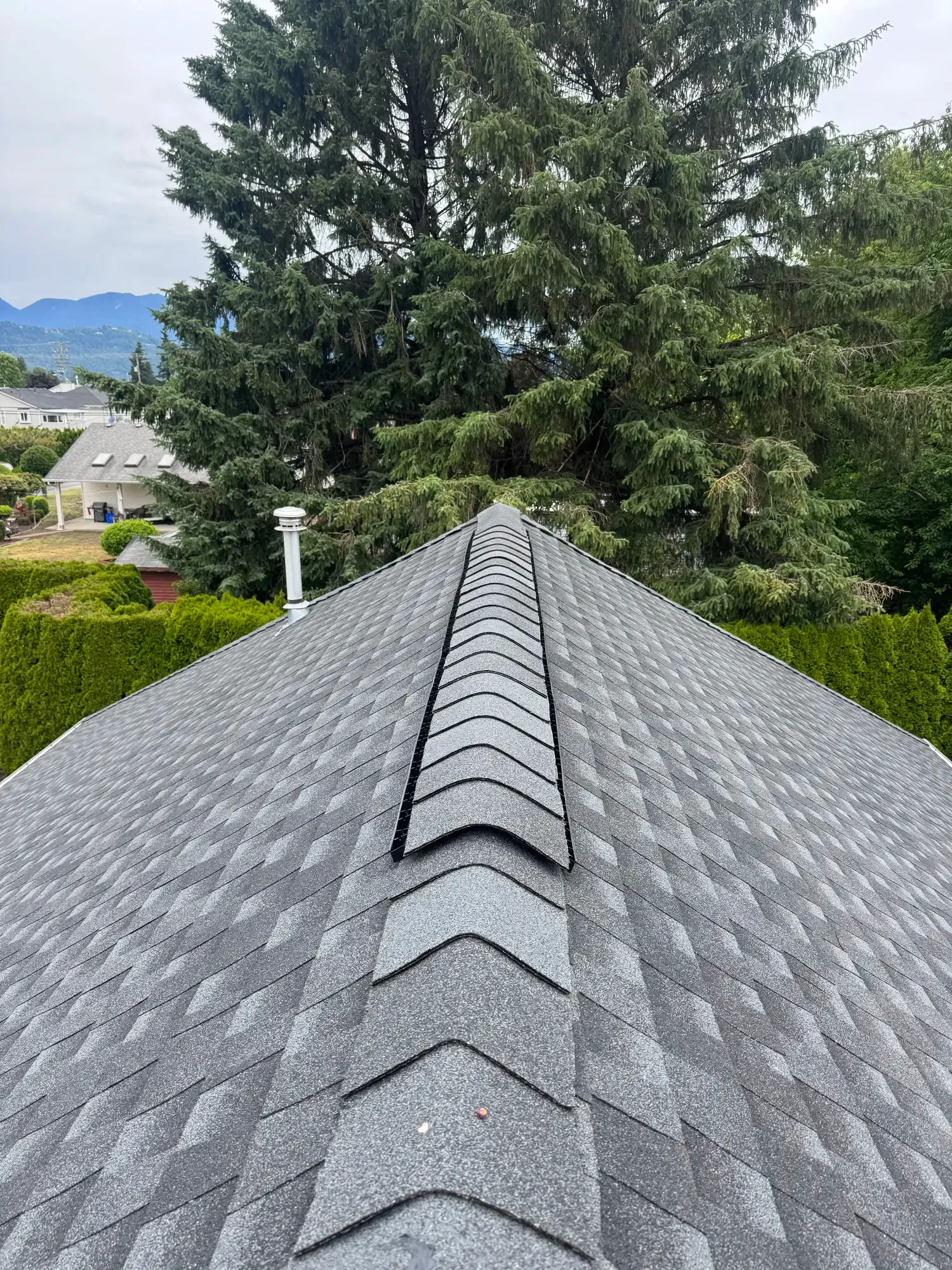
How Long Does a Roof Last in Calgary? Plus 7 Signs Yours Is Done
How long roofs really last in Calgary by material, why our climate cuts years off the rated lifespan, and seven clear signs it is time to replace yours.
Read the guide