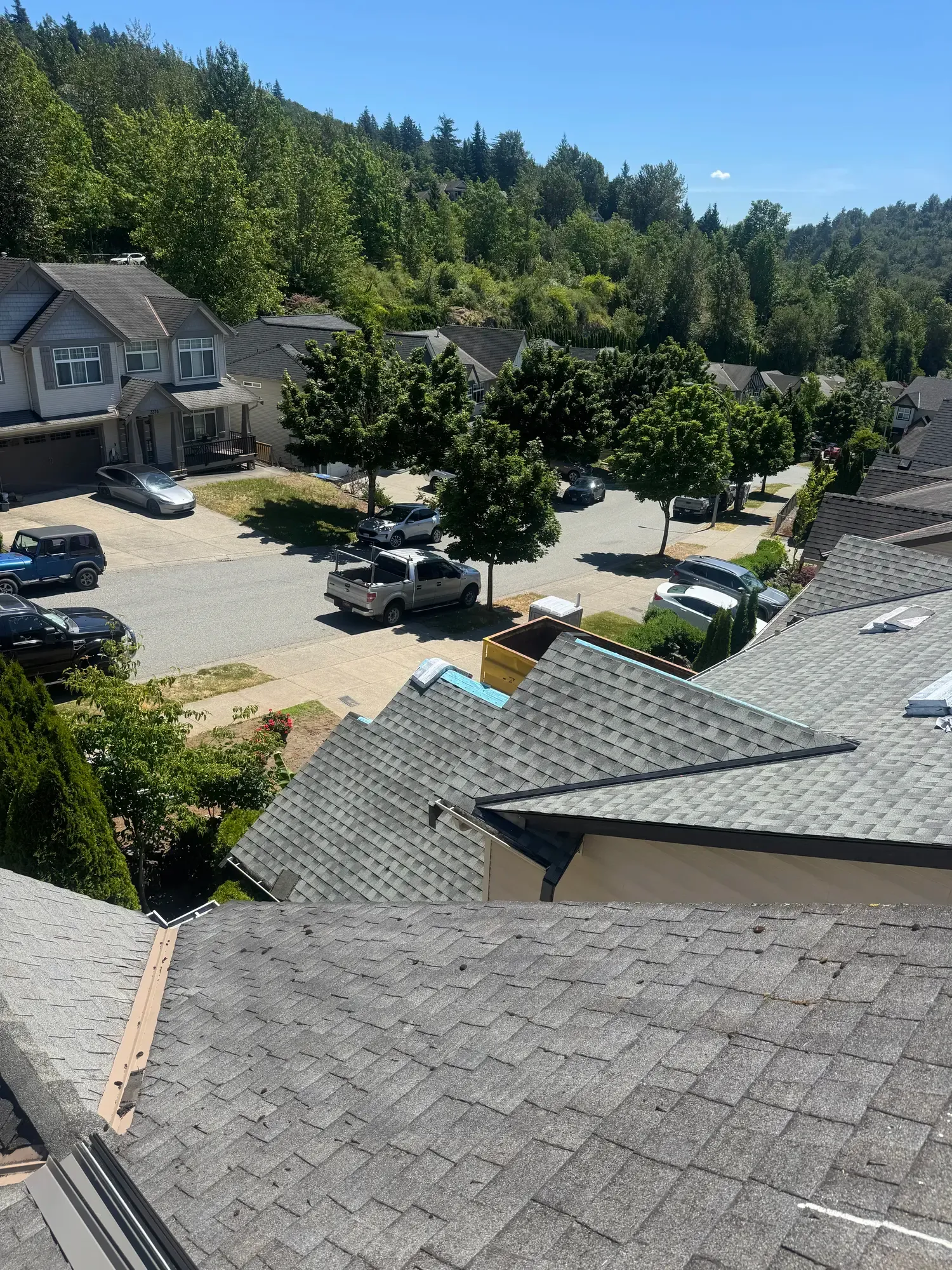
How to Tell If Your Roof Has Hail Damage: A Calgary Guide
How to spot hail damage on your Calgary roof, what bruising and granule loss really look like, where to check safely, and when the damage is worth a claim.
Raindeer Roofing
Calgary roofing & exteriors
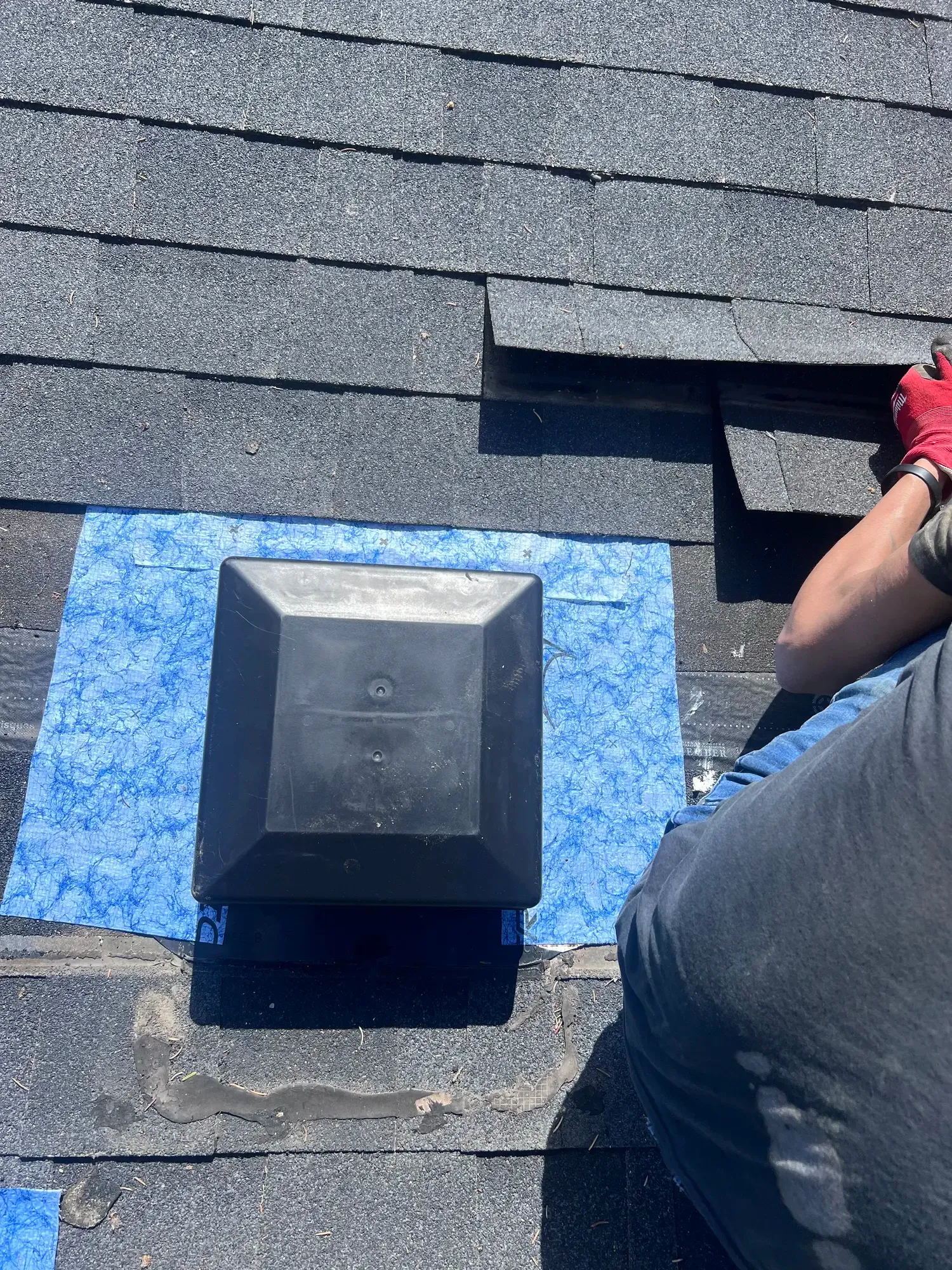
Every Calgary summer follows the same script. A storm rolls in off the foothills, the sky turns that sickly green, and for ten violent minutes hail hammers the neighbourhood. Then the sun comes out, everyone checks their car, and almost nobody thinks to look up at the one part of the house taking the worst of it.
Calgary sits in the middle of what insurers call hail alley. The August 2024 storm alone caused about $3.25 billion in insured damage across more than 130,000 claims, making it the second-costliest natural disaster in Canadian history. Hail is not a rare event here. It is a yearly tax on your roof, and the tricky part is that the damage often hides in plain sight for months before it starts to leak.
Here is how to tell whether your roof actually took a hit, what to look for, and where the line sits between "keep an eye on it" and "call someone."
Why hail is so hard on a Calgary roof
A shingle is basically a fibreglass mat coated in asphalt and covered in a protective layer of ceramic granules. Those granules are the sunscreen. They shield the asphalt from UV, and as long as they stay put, the shingle keeps doing its job.
When a hailstone hits hard enough, it knocks those granules loose and can fracture the mat underneath. The shingle might still look fine from the street, but the protected asphalt is now exposed, and Calgary's UV and freeze-thaw cycles go to work on that bare spot. A roof that should have lasted another decade can start failing within a couple of years. That is why hail damage is worth taking seriously even when nothing is leaking yet.
What hail damage actually looks like on shingles
Forget dramatic holes. Real hail damage on asphalt is usually subtle, and it has a few tell-tale signatures:
- Bruises. This is the big one. A hail bruise shows up as a dark, roughly circular spot where the granules have been knocked away and the asphalt mat is exposed. Press a finger into it and it often feels soft or spongy, like a bruise on an apple. That softness means the mat has fractured. This is functional damage, the kind that ends a roof early.
- Granule loss. Bare patches where the black or shiny asphalt peeks through. A little granule loss is normal aging. Sudden, clustered loss after a storm is not.
- A random pattern. Hail hits are scattered with no logic to them, unlike the neat rows of ordinary wear. If you see damage that looks tossed on like confetti, think hail.
- Cracks or punctures. Larger stones can crack or even split a shingle outright. Less common in a typical Calgary storm, but it happens with the big ones.
One useful rule from the field: minor granule loss with no bruising usually does not shorten the roof's life. It is the bruising and mat exposure that matter. This is exactly why a trained eye beats a phone photo, because the damage that counts is often felt more than seen.
The easiest place to spot hail: the soft metal
You do not need to be on the roof to know a storm was serious. Hail leaves its fingerprints all over the softer metal around your house, and those dents are the same size and force that hit your shingles.
Walk the property after a storm and look at:
- Aluminum eavestrough and downspouts for dents and dimples
- Roof vents, caps, and flashing for pockmarks
- The fins on your air conditioner or heat pump, which dent like foil
- Deck boards, fence caps, and window screens
- Your vehicles, the honest witness nobody argues with
If the soft metals are peppered with dents, your roof almost certainly took the same beating. That collateral damage is also some of the best evidence you can hand an adjuster.
Hail damage vs. normal wear (do not panic over every granule)
Roofs shed granules their whole life. A handful in the eavestrough after a rainstorm is not a crisis, and a good roofer will tell you that instead of selling you a roof you do not need.
These are signs of normal wear or age, not hail:
- Even, all-over granule loss on an older roof
- Blistering (small raised bubbles from trapped moisture during manufacturing)
- Cracking in straight lines from thermal cycling
- Curling or cupping edges on an aging roof
- Moss, algae streaks, or lichen
The difference that matters is bruising and a random impact pattern. If you are ever unsure which one you are looking at, that uncertainty is the whole reason free inspections exist.
How to check your roof safely
Please do not climb up there. Calgary roofs are often steep, and a wet or hail-slicked slope sends more people to emergency rooms than the damage itself. You can gather almost everything you need from the ground and the attic:
- From the ground, use your phone camera to zoom in on the slopes facing the storm (usually south and west here). Look for dark spots, scattered bare patches, and dented vents.
- Check the collateral on gutters, vents, and the AC unit as described above.
- In the attic, on a bright day, look for any pinpricks of daylight through the roof boards and run your hand along the sheathing for damp spots. Water stains on the ceiling of the top floor are a red flag too.
- Note the storm date. You will need it if you file a claim, and it starts the clock on your timeline.
Then bring in someone who does this for a living. A proper roof inspection covers the roof, the attic, and the exterior, and it comes with photos you can actually use.
Cosmetic vs. the kind that ends your roof
Not every dent is a disaster. On metal accessories, a few dings might be purely cosmetic. On shingles, the question is always whether the mat is bruised or exposed. Functional damage, the bruising and granule loss that leaves asphalt naked to the sun, is what shortens the roof's life and what insurers pay to fix. Cosmetic marks that do not affect how the roof sheds water are a different conversation.
The honest answer is that you often cannot tell the two apart from the driveway, and neither can a storm chaser knocking on your door twenty minutes after the clouds clear. That call takes hands on the shingles.
What to do if you think you have hail damage
Move in this order and you will not go wrong:
- Document it. Note the storm date and photograph the collateral damage you can safely reach.
- Get a professional inspection. Ideally within a few weeks, because damage documented months later is easier for an adjuster to dispute.
- Understand your coverage before you file. Hail damage is usually covered, but deductibles and depreciation rules matter. We walk through the whole process in our guide to filing a roof insurance claim for hail in Alberta.
- If it is actively leaking, get it stabilized. Our emergency roof repair crew answers 24/7 and can tarp and document before the permanent fix.
If the inspection shows the roof is at the end of the line, our guide to roof replacement cost in Calgary lays out real 2026 pricing so you know what you are looking at, claim or no claim.
The bottom line
Hail damage in Calgary is common, sneaky, and easy to ignore until it turns into a leak in the middle of winter. You can catch most of it from the ground: dented soft metals, dark bruises on the sunny slopes, sudden granule loss with no pattern. When in doubt, get eyes on it before the damage quietly ages your roof out from under you.
We inspect suspected hail damage for free, tell you straight whether it is cosmetic or a claim, and never invent damage to sell a job. If a storm just went through your neighbourhood, that is the safest and cheapest first move you can make.
Free On-Site Estimate
Want a straight answer on your own roof?
We inspect the roof, attic, and full exterior, then send an itemized quote priced line by line. No pressure, no scare tactics.
Keep reading
All articles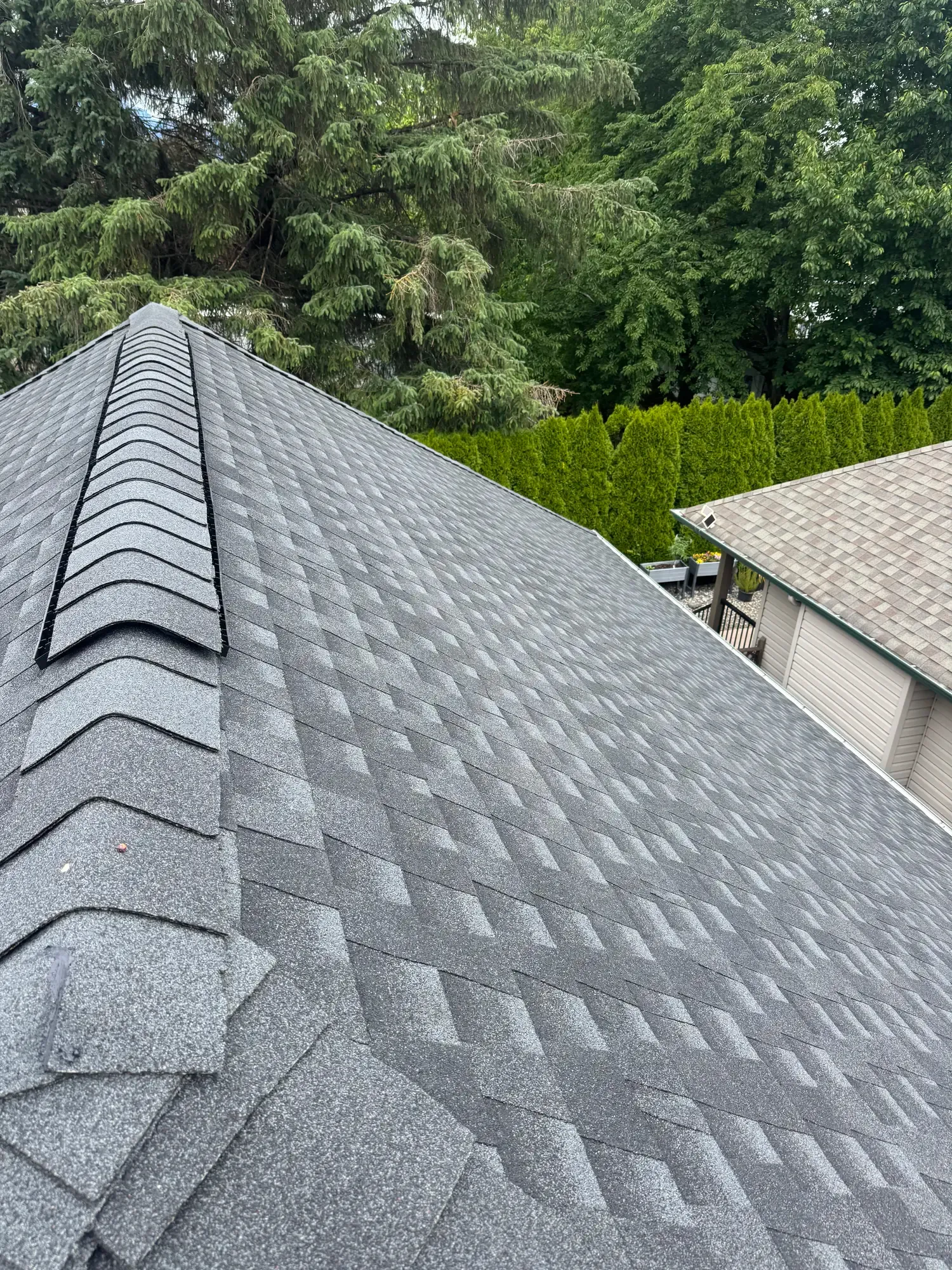
The Best Asphalt Shingles for Calgary's Hail (2026 Guide)
The best asphalt shingles for Calgary hail: the Class 4 impact rating and rubberized-asphalt features that matter, and the brands worth knowing.
Read the guide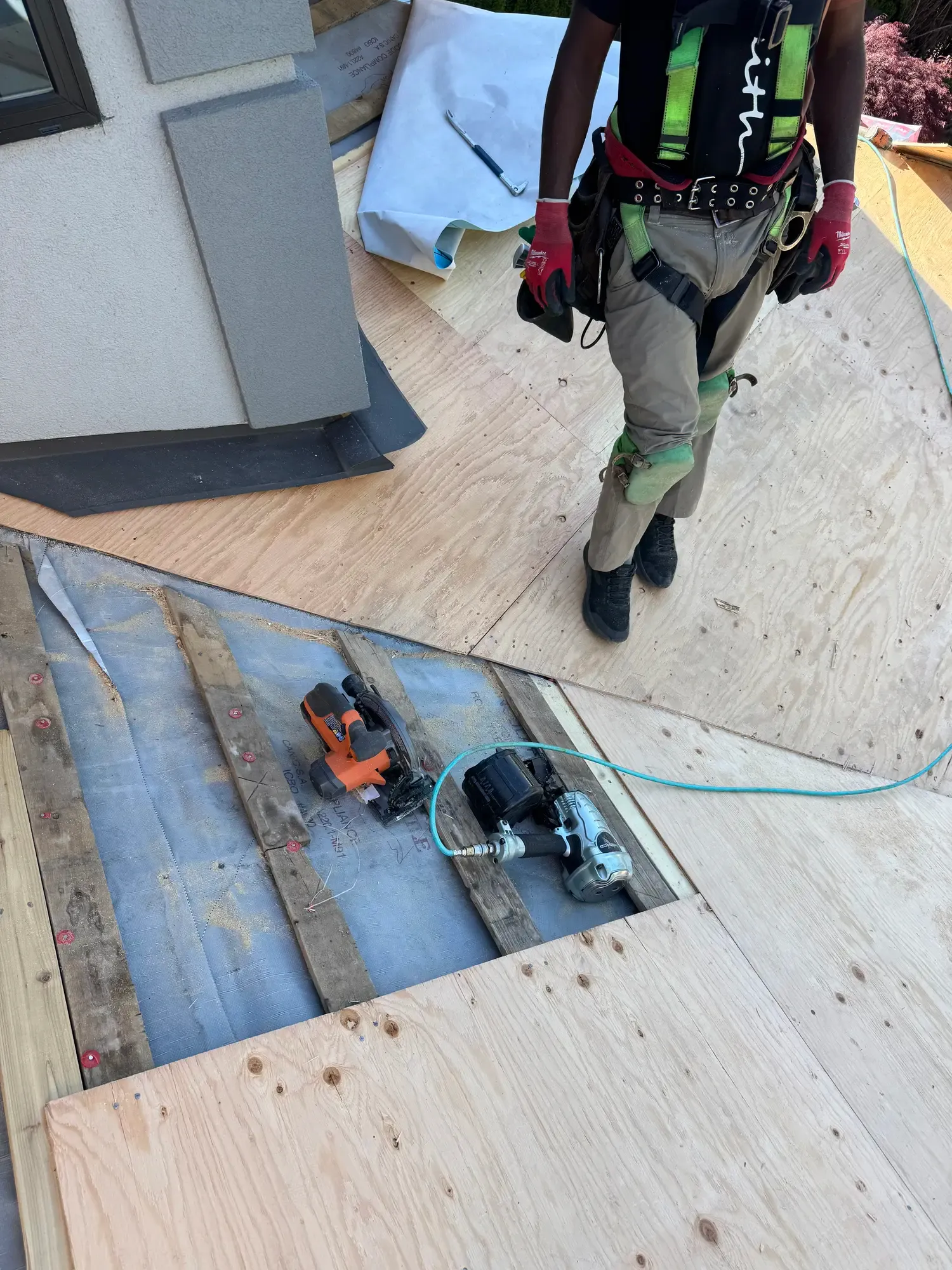
The Best Time of Year to Replace Your Roof in Calgary
When is the best time to replace a roof in Calgary? How each season affects price, scheduling, and quality, plus whether winter roofing is actually safe.
Read the guide
How Long Does a Roof Last in Calgary? Plus 7 Signs Yours Is Done
How long roofs really last in Calgary by material, why our climate cuts years off the rated lifespan, and seven clear signs it is time to replace yours.
Read the guide